
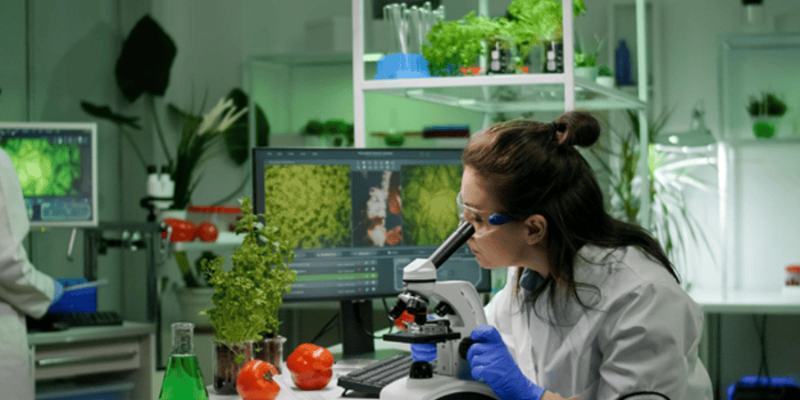
The global food landscape is undergoing an unprecedented transformation, driven by a confluence of demographic shifts, environmental pressures, and technological breakthroughs., Hi3s will accompany you to explore the profound significance of food science and technology courses and how they are shaping the future of what we eat, where it comes from, and how it impacts our lives and the planet. Understanding this dynamic field is crucial for anyone looking to make intelligent investment and adoption decisions in the rapidly evolving agri-food sector.
The Evolution of Food Science and Its Modern Imperative
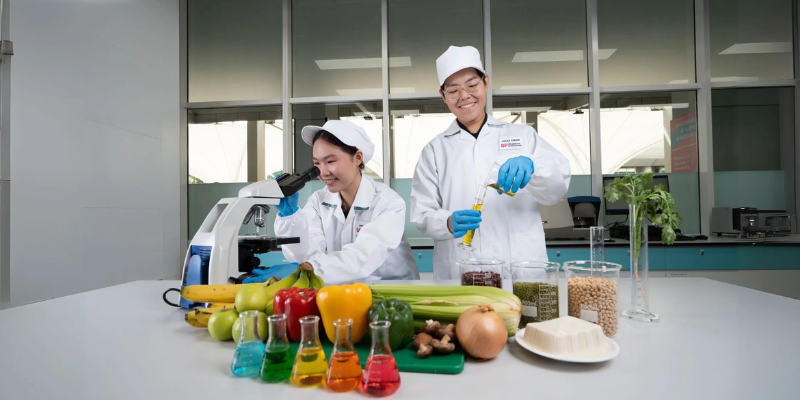
Food science, at its core, is the application of fundamental scientific principles chemistry, biology, microbiology, physics, and engineering to the study of food. Historically, this field focused on basic preservation techniques like drying, salting, and fermentation, which were essential for human survival and the expansion of civilizations. The industrial revolution brought about significant advancements in food processing and packaging, transitioning food production, artisanal methods to large-scale, automated operations. This era laid the groundwork for modern food science, emphasizing efficiency, consistency, and extended shelf life.
Today, the imperative for innovation in food science is more critical than ever. The world faces the monumental task of feeding an anticipated 9.7 billion people by 2050, all while grappling with the intensifying effects of climate change, resource scarcity, and widespread dietary health issues. Modern food science moves beyond mere preservation to address complex global challenges, focusing on creating more resilient, nutritious, and environmentally responsible food systems. This requires a multidisciplinary approach, integrating cutting-edge technologies and deep scientific understanding to redefine our relationship with food.
Why Pursue Food Science And Technology Courses Today
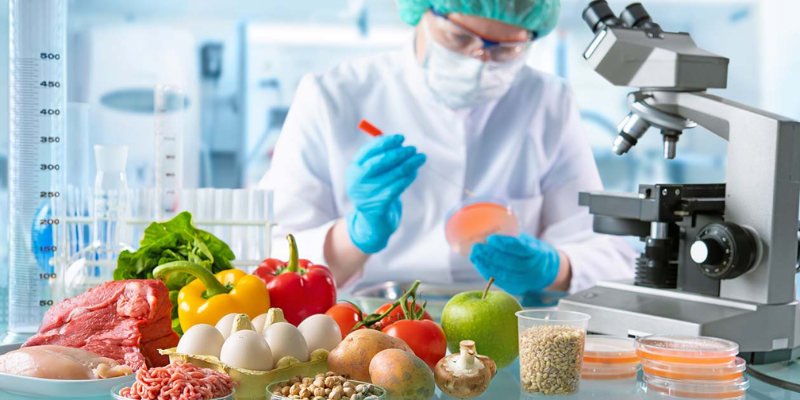
The decision to embark on food science and technology courses is a strategic move for individuals keen on addressing some of humanity’s most pressing challenges while forging a dynamic and impactful career path. The field is a nexus of innovation, sustainability, and consumer health, demanding a blend of scientific rigor and creative problem-solving. This makes it an incredibly rewarding area for those who want to contribute to a better, more sustainable future.
Addressing Global Challenges Through Innovation
Food science and technology professionals are at the forefront of tackling critical global issues. Food security, for instance, requires innovations in efficient production, improved storage, and waste reduction strategies, particularly when nearly one-third of all food produced globally is lost or wasted. Researchers are developing climate-resilient crops and utilizing advanced biotechnologies to enhance agricultural productivity and nutritional content, ensuring stable food supplies even in adverse conditions.
Sustainability is another driving force, with food scientists pioneering initiatives in alternative proteins like plant-based meats, cultivated meat, and insect-derived foods, which offer significantly lower environmental footprints compared to traditional livestock. Furthermore, efforts in creating sustainable food systems extend to reducing the environmental impact of food production, conserving water resources, and minimizing greenhouse gas emissions through practices like precision agriculture and regenerative farming. Beyond sustenance, the focus on health and nutrition is paramount. The rise of chronic diseases has spurred demand for functional foods—products fortified with beneficial compounds that offer health advantages beyond basic nutrition—and the burgeoning field of personalized nutrition, which tailors dietary recommendations based on individual genetic profiles and lifestyles. These innovations are directly enhancing consumer well-being and preventing diet-related illnesses.
A Flourishing Career Landscape
The demand for skilled professionals in food science and technology is robust and continues to grow. The overall employment of agricultural and food scientists is projected to increase by 6 to 8 percent.
Graduates of food science and technology courses can pursue a diverse array of roles across various sectors. These include research and development, where they create new food products or improve existing ones; quality assurance and control, ensuring products meet stringent safety and quality standards; regulatory affairs, navigating the complex landscape of food laws and compliance; and production management, overseeing manufacturing processes. Opportunities also exist in sensory science, where experts evaluate taste and texture, and in packaging science, designing materials that protect food and extend shelf life. This breadth of opportunities underscores the vital and evolving nature of the food industry, offering a secure and impactful career path for those with specialized knowledge.
Diving Deep Into Food Science And Technology Courses Curriculum
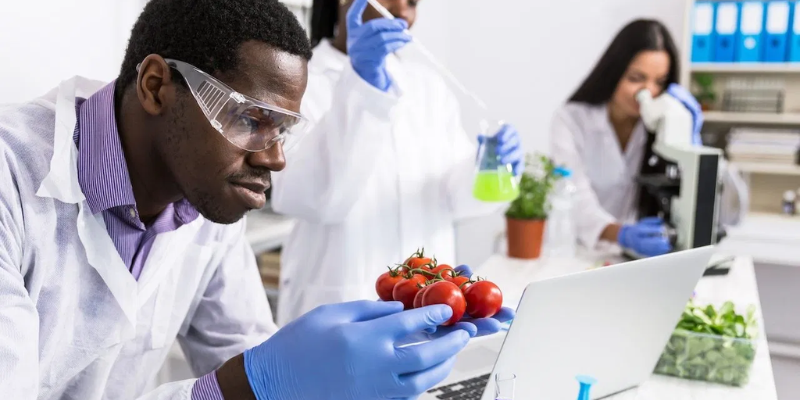
For those aspiring to a career at the intersection of science and sustenance, understanding the comprehensive curriculum of food science and technology courses is essential. These programs are meticulously designed to equip students with a robust scientific foundation, coupled with specialized knowledge and practical skills that are directly applicable to the complexities of the modern food industry. The interdisciplinary nature of the field requires a broad yet deep educational approach.
Foundational Sciences
A strong grounding in fundamental sciences forms the bedrock of any reputable food science and technology program. Students typically delve into:
- Chemistry: Understanding the chemical composition of food, nutrient interactions, and reactions during processing and storage is critical. This includes organic, inorganic, and analytical chemistry.
- Biology and Microbiology: Knowledge of biological systems is crucial for studying microorganisms in food, which are vital for fermentation processes and pose potential food safety hazards. This also covers plant and animal biology relevant to food sources.
- Physics and Mathematics: Principles of physics are applied to understand food rheology, heat transfer in processing, and mechanical properties. Mathematics provides the quantitative tools for data analysis, modeling, and engineering calculations.
These core subjects provide the analytical and conceptual tools necessary to comprehend the intricate processes that transform raw ingredients into finished food products.
Specialized Domains and Practical Applications
Beyond the fundamentals, food science and technology courses rapidly transition into specialized areas that offer hands-on experience and real-world relevance. These include:
- Food Processing and Engineering: This domain explores the principles and equipment used in various food manufacturing operations, such as heating, cooling, drying, filtration, and separation. It focuses on optimizing processes for efficiency, safety, and product quality.
- Food Safety and Quality Control: A paramount concern in the industry, this area covers Hazard Analysis and Critical Control Points (HACCP), Good Manufacturing Practices (GMPs), and other systems to prevent contamination, ensure regulatory compliance, and guarantee product wholesomeness.
- Sensory Evaluation: Students learn how to objectively measure and analyze human perception of food attributes like taste, aroma, texture, and appearance, which is vital for new product development and consumer acceptance.
- Product Development: This creative and iterative process involves formulating new food products,.
- Nutrition: While not solely dietetics, food science programs integrate nutritional science to understand how food components affect human health, enabling the development of healthier and functional food options.
Many programs emphasize hands-on experience through laboratory work, pilot plant operations, and research projects, providing invaluable practical skills that bridge theoretical knowledge with industrial application. This blend of rigorous scientific education and practical training ensures graduates are well-prepared for the diverse demands of the food industry.
The Cutting Edge: Emerging Technologies in Food
The food industry is undergoing a rapid technological renaissance, driven by advancements that are transforming how food is produced, processed, and consumed. For those engaging with food science and technology courses, understanding these emerging trends is not just beneficial, but essential for future success. These innovations promise to revolutionize efficiency, sustainability, and consumer experience, opening new frontiers for research and application.
Artificial Intelligence and Data Analytics
Artificial Intelligence (AI) and data analytics are proving to be game-changers across the entire food supply chain. AI algorithms can analyze vast datasets to optimize crop yields, predict consumer preferences, and streamline supply chain logistics, significantly reducing waste and enhancing operational efficiency. In food manufacturing, AI-powered vision systems can inspect products for defects or contaminants with unmatched speed and accuracy, ensuring higher quality and safety standards. Furthermore, AI is accelerating new product development by identifying novel ingredient combinations and predicting successful flavor profiles based on consumer data. This technology also plays a crucial role in the burgeoning field of personalized nutrition, offering tailored dietary recommendations through advanced data analysis.
Biotechnology and Novel Ingredients
Biotechnology is profoundly impacting the food sector, offering innovative solutions for sustainable and nutritious food production. Precision fermentation, for example, is being used to produce alternative proteins and functional ingredients without traditional animal agriculture, creating sustainable dairy and meat alternatives. Cultivated meat, grown. Plant-based alternatives continue to evolve, with biotechnology enhancing their taste, texture, and nutritional profiles to better mimic conventional products. Genetic engineering also offers the potential to develop crops with enhanced nutritional content, disease resistance, and adaptability to challenging environments, further contributing to food security and quality. This area of innovation is constantly pushing the boundaries of what is possible in food creation.
Sustainable Food Systems Innovation
The drive towards sustainability is reshaping the entire food ecosystem, with a focus on minimizing environmental impact and maximizing resource efficiency. Food science and technology courses increasingly cover innovations such as vertical farming, which allows for year-round crop production with significantly less land and water, often in urban environments. Regenerative agriculture practices are gaining traction, emphasizing soil health, biodiversity, and carbon sequestration to create more resilient farming systems. Technologies aimed at food waste reduction, such as smart packaging that extends shelf life and advanced sorting systems, are crucial for achieving circular economy principles in food production. Furthermore, research into eco-friendly packaging materials, including those derived.
Strategic Selection of Food Science And Technology Courses
Choosing the right program is a pivotal decision for aspiring food science professionals. The quality of education and the opportunities available during and after your studies can significantly impact your career trajectory. When considering food science and technology courses, a discerning approach is vital to ensure the program aligns with your ambitions and prepares you for leadership in this evolving industry.
Program Accreditation and Reputation
One of the most crucial factors is the accreditation and reputation of the academic institution and its food science department. Programs recognized by leading professional bodies, such as the Institute of Food Technologists (IFT) in the United States, adhere to rigorous standards for curriculum content, faculty qualifications, and facility quality. Such accreditation signals a program’s commitment to excellence and ensures that graduates possess the competencies valued by the industry. Researching university rankings, faculty publications, and alumni success stories can provide valuable insights into a program’s standing and its ability to deliver a high-quality education.
Industry Integration and Experiential Learning
Practical experience is indispensable in food science. Look for programs that emphasize strong ties with the food industry, offering abundant opportunities for internships, co-op placements, and industry-sponsored projects. These experiences provide invaluable real-world exposure, allowing students to apply theoretical knowledge in professional settings, develop essential professional networks, and often lead directly to employment opportunities post-graduation. Engagement with industry leaders, guest lectures, and career fairs also indicates a program’s commitment to connecting students with the professional world, preparing them for the demands of the workplace.
Research Facilities and Faculty Expertise
The caliber of research facilities and the expertise of the faculty are also key determinants of a program’s strength. Access to cutting-edge laboratories, pilot plants, and specialized equipment for chemical, physical, and microbiological analysis of foods ensures that students are trained with the tools and techniques at the forefront of the industry. A diverse faculty with active research programs in areas such as novel food ingredients, food safety, sustainable processing, or biotechnology can provide students with opportunities for stimulating undergraduate research, mentorship, and exposure to advanced scientific inquiry. These elements collectively contribute to a holistic and advanced learning environment crucial for developing innovative thinkers in food science and technology.
Conclusion
The realm of food science and technology courses offers a fascinating and vital pathway for those passionate about innovation, sustainability, and global well-being. By equipping future leaders with deep scientific understanding and practical skills, these programs are instrumental in driving progress across the entire food ecosystem. They prepare professionals to tackle challenges
