
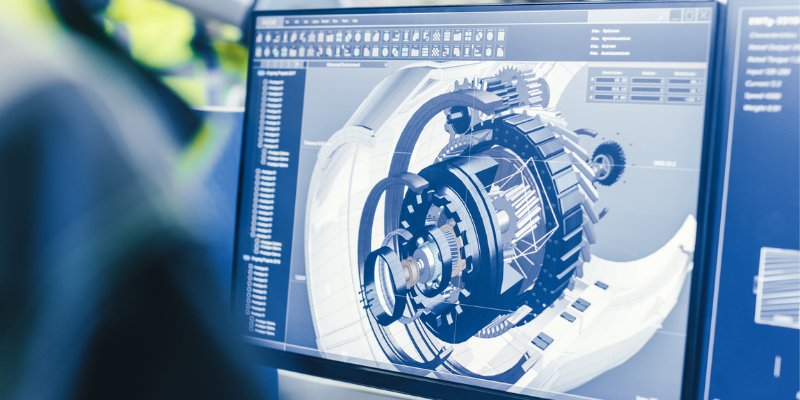
The field of mechanical engineering is undergoing a profound transformation, moving beyond its traditional boundaries into a highly integrated, data-driven, and intelligent domain. Modern mechanical engineers are no longer solely focused on gears, mechanisms, and thermodynamics; they are now at the forefront of designing smart systems, leveraging artificial intelligence, and operating within interconnected digital ecosystems. In this article, Hi3s will accompany you to explore the critical technical courses for mechanical engineers that are essential for thriving in this dynamic new era, ensuring you are not just keeping pace, but leading the charge.
The Evolution of Mechanical Engineering in the Digital Age
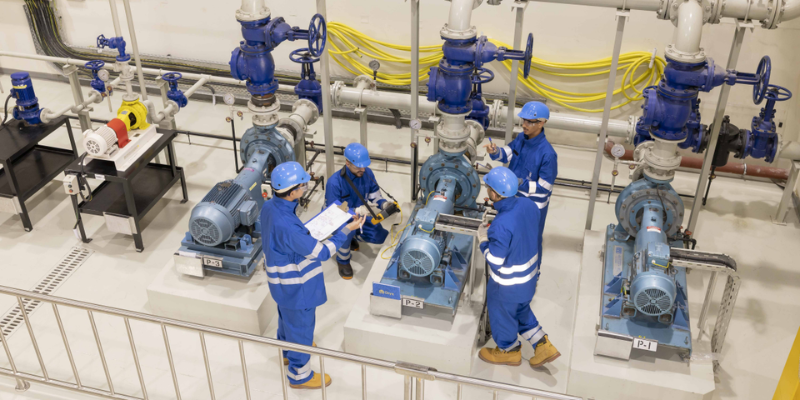
Mechanical engineering has always been about designing, analyzing, manufacturing, and maintaining mechanical systems. However, the advent of Industry 4.0 and its associated technologies—such as AI, Machine Learning, IoT, and Cloud Computing—has fundamentally reshaped the profession. Today’s engineers must navigate a landscape where physical products are intertwined with digital intelligence, demanding a blend of traditional expertise and advanced digital skills. This shift means embracing data-driven decision-making, optimizing processes with smart algorithms, and understanding the connectivity that underpins modern industrial operations. The core principles remain, but the tools and methodologies have evolved dramatically, making continuous learning through technical courses for mechanical engineers indispensable.
Foundational Digital Competencies for Mechanical Engineers
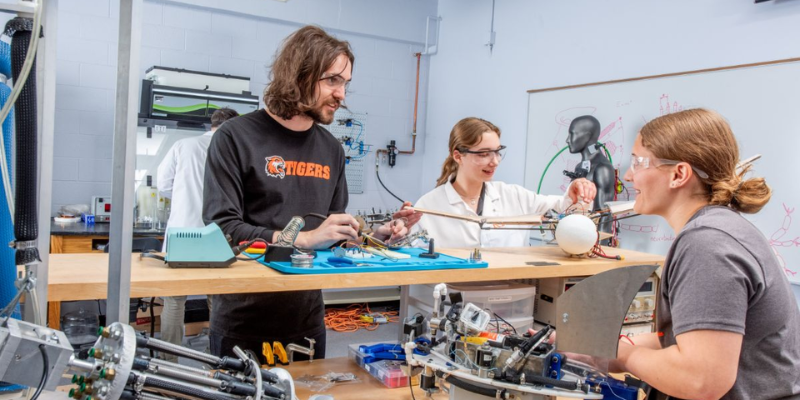
To remain competitive and innovative, mechanical engineers must cultivate a robust set of digital competencies that complement their traditional skills. These foundational abilities are the building blocks for engaging with advanced technologies and driving future innovations.
Advanced CAD/CAE and Simulation
Computer-AAided Design (CAD) and Computer-Aided Engineering (CAE) have long been staples, but their capabilities are rapidly expanding with cloud integration and AI enhancements. Modern engineers need proficiency in advanced simulation techniques like Finite Element Analysis (FEA) and Computational Fluid Dynamics (CFD), often performed on cloud-based platforms for greater scalability and collaboration. This allows for virtual testing and optimization of designs under various conditions, significantly reducing the need for expensive physical prototypes and accelerating product development cycles. Tools like Onshape and SimScale, for instance, facilitate end-to-end design and simulation workflows entirely within a web browser, enhancing accessibility and teamwork.
Data Analysis and Visualization
Industry 4.0 generates immense volumes of data.
Programming Fundamentals (Python, MATLAB)
Programming proficiency is no longer a niche skill but a fundamental requirement. Languages like Python and MATLAB are particularly valuable for mechanical engineers. Python, with its extensive libraries, is excellent for data analysis, automation, and machine learning applications. MATLAB, short for Matrix Laboratory, is widely used for simulations, analysis, and visualization, especially in automotive and robotics industries for designing and testing complex systems like robotic arms and suspension systems. Learning these languages allows engineers to automate tasks, perform complex calculations, and develop custom solutions for engineering problems.
Mechatronics and Robotics
The convergence of mechanical, electrical, and computer engineering forms mechatronics, a crucial area for modern mechanical engineers. Understanding robotics involves designing, constructing, and operating robots, integrating mechanical design with electronics, control systems, and programming. This field is vital for developing automated manufacturing processes, smart machines, and autonomous systems that are increasingly prevalent in various industries.
Artificial Intelligence and Machine Learning in Mechanical Design
Artificial Intelligence (AI) and Machine Learning (ML) are not just buzzwords; they are transformative forces revolutionizing mechanical design and engineering processes. These technologies empower engineers to achieve unprecedented levels of optimization, efficiency, and innovation.
Generative Design and Optimization
Generative design, powered by AI algorithms, allows engineers to rapidly explore thousands of design options based on predefined constraints and objectives, such as minimizing weight or maximizing strength. This approach leads to highly optimized and often organic-shaped designs that might be impossible to conceive through traditional methods. For example, General Motors used generative AI to redesign a seat bracket, resulting in a part that was 40% lighter, 20% stronger, and replaced eight separate components with one 3D-printed part. This capability accelerates design cycles and pushes the boundaries of innovation.
Predictive Maintenance and Anomaly Detection
One of the most significant contributions of ML to mechanical engineering is in predictive maintenance. By analyzing real-time sensor data and historical performance metrics, ML algorithms can predict when equipment is likely to fail, enabling proactive maintenance rather than reactive repairs. This significantly reduces downtime, extends the lifespan of mechanical assets, and lowers maintenance costs. For instance, IoT sensors in CNC machines can alert technicians to tool wear, preventing costly breakdowns.
Robotics and Automation with AI
AI-driven advancements are making robots more adaptable and precise. Mechanical engineers are critical in designing the physical aspects of these robots, while AI algorithms enhance their learning and operational capabilities. This synergy leads to increased production rates, higher product quality, and safer working environments in manufacturing and beyond. AI in manufacturing aids in optimizing processes like CNC machining and 3D printing.
IoT, Cloud Computing, and Predictive Maintenance
The Internet of Things (IoT) and Cloud Computing are indispensable for creating interconnected engineering systems, facilitating real-time monitoring, data analysis, and advanced maintenance strategies.
Real-time Monitoring and Data Collection
IoT involves embedding sensors and connectivity into machines, systems, and infrastructure to collect and exchange data in real-time. This allows mechanical engineers to continuously monitor critical parameters like temperature, vibration, and pressure, providing immediate insights into equipment health and performance. This constant flow of data forms the backbone for data-driven decision-making and operational improvements.
Cloud-based Simulation and Collaboration
Cloud computing offers scalable and flexible platforms for demanding CAE workloads, including complex simulations and collaborative design. Engineers can access high-performance computing resources on demand, accelerating design iterations and enabling seamless collaboration across different locations. This distributed approach minimizes infrastructure costs and provides flexibility, allowing smaller businesses to compete effectively with larger enterprises by leveling the playing field with regard to technology. Digital twins, virtual replicas of physical objects or systems, are also heavily reliant on cloud infrastructure and real-time data, and optimization throughout a product’s lifecycle.
Digital Twins and Smart Manufacturing
Digital twin technology is revolutionizing mechanical engineering by creating real-time virtual models of physical systems. These digital counterparts, fed by IoT data and hosted in the cloud, allow engineers to simulate performance, predict wear and tear, and experiment with design improvements without affecting the physical asset. In smart manufacturing, digital twins enable virtual commissioning, factory simulation, and predictive maintenance, leading to more efficient, data-driven production processes. Companies like Rolls-Royce and GE already utilize digital twins to track jet engines in real-time for predictive maintenance and improved safety.
Securing the Smart Factory: Cybersecurity for Operational Technology
As mechanical systems become increasingly interconnected and reliant on digital infrastructure, cybersecurity becomes paramount. Mechanical engineers must understand the unique challenges of securing Operational Technology (OT) and Industrial Control Systems (ICS). The convergence of IT and OT environments introduces new vulnerabilities that can impact not only data integrity but also physical safety and operational continuity. Protecting smart factories involves securing IoT devices, networks, and data flows.
Choosing the Right Technical Courses for Mechanical Engineers
Navigating the vast landscape of continuing education requires a strategic approach. Mechanical engineers looking to upskill should seek out programs that offer practical, in-depth knowledge in these rapidly evolving technological domains.
Online Specializations and Certifications
Numerous online platforms offer specialized courses and certifications in areas such as AI for engineers, IoT solutions, cloud architecture, and data science. These programs often provide flexible learning schedules and focus on practical applications, making them ideal for working professionals. Courses can cover everything.
University-led Professional Development Programs
Many universities offer executive education and professional development courses tailored for engineers seeking to deepen their expertise in specific advanced technologies. These programs often combine theoretical knowledge with hands-on projects, providing a comprehensive understanding of complex subjects. They can include specialized technical courses for mechanical engineers focusing on areas like mechatronics, advanced manufacturing processes, and finite element analysis.
Industry-Specific Training
For those in niche sectors, industry-specific training and certifications can provide highly relevant skills. For instance, courses focusing on cybersecurity in industrial control systems or specialized generative design software are crucial for engineers working in smart manufacturing or automotive sectors. Organizations like ASME, in collaboration with companies like Autodesk, are developing free courses to address skills gaps in areas like design for sustainability, introduction to Industry 4.0 technologies, and digital literacy.
Conclusion
The mechanical engineering profession is undergoing an exciting metamorphosis, propelled by the relentless pace of technological innovation. For mechanical engineers, embracing this change through continuous learning and acquiring new digital skills is not merely an advantage—it is a necessity for long-term career success and impact. Investing in the right technical courses for mechanical engineers will empower you to design smarter, build more efficiently, and innovate with greater precision in the digital age. Hi3s believes that by strategically focusing on advanced CAD/CAE, data analytics, programming, AI/ML applications, IoT, cloud computing, and cybersecurity, you can confidently navigate the complexities of modern engineering and shape the future of countless industries. Take the next step in your professional journey and explore the technical courses that will unlock your full potential in this transformative era.
